
19 Oct 2026 · @Unblend
Cancer is one of the most searched health topics, and for good reason: almost every family is touched by it. The good news is that more people survive cancer today than ever before, largely thanks to early detection and better treatment.
This guide answers the questions people ask most, from the warning signs to survival and stage 4 cancer.
What is cancer?
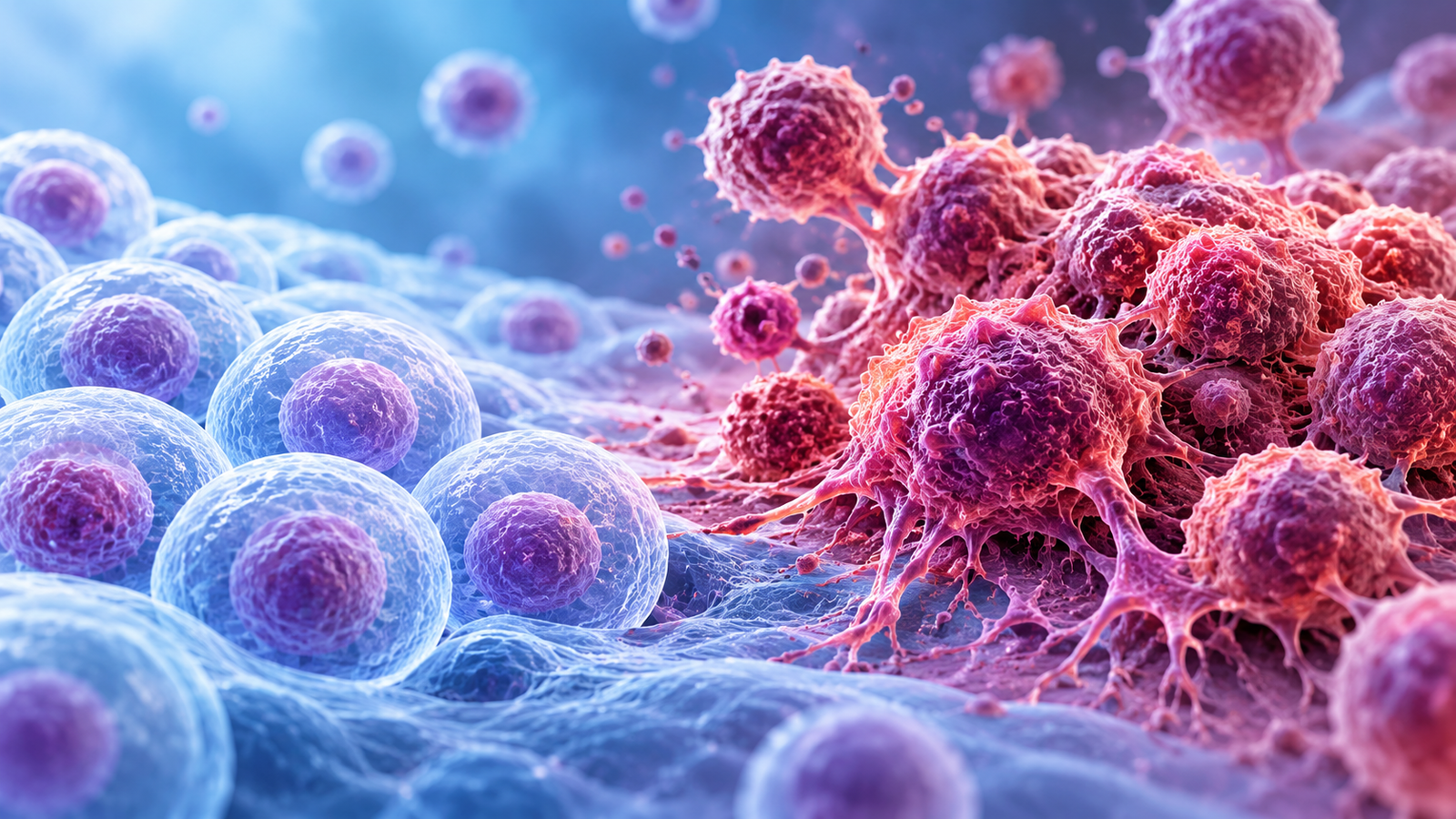
Cancer is a disease in which some of the body's cells grow out of control and can spread to other parts of the body. Normally, cells grow, divide and die in an orderly way. When genetic changes damage this process, abnormal cells keep multiplying and may form a lump called a tumour. There are more than 100 types of cancer, usually named after the organ where they start, such as breast, lung or mouth cancer.
What are the 7 signs of cancer?
Doctors use the word CAUTION to remember the 7 classic warning signs of cancer:
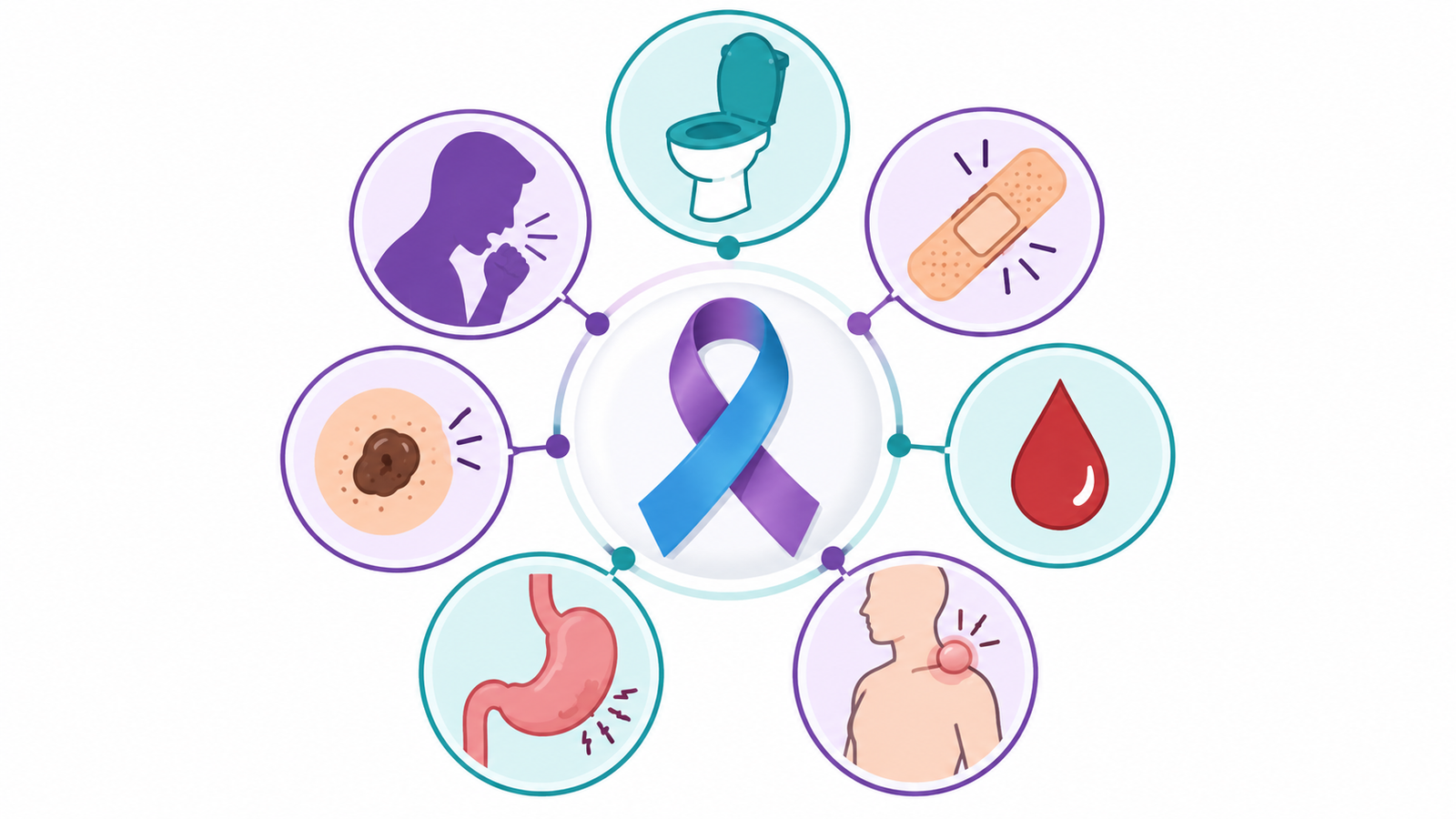
- C – Change in bowel or bladder habits
- A – A sore that does not heal
- U – Unusual bleeding or discharge
- T – Thickening or lump in the breast or elsewhere
- I – Indigestion or difficulty swallowing
- O – Obvious change in a wart or mole
- N – Nagging cough or hoarse voice
These signs do not mean you have cancer; most are caused by less serious problems. But if any lasts more than 2 to 3 weeks, see a doctor.
What are 5 signs you have cancer?
Beyond CAUTION, these 5 general symptoms are among the most common early clues:

- Unexplained weight loss of 5 kg or more without trying
- Constant tiredness that rest does not fix
- Fever or night sweats with no clear reason
- Ongoing pain in one area, such as the back or head
- Skin changes, such as yellowing, darkening or new growths
What are 20 warning signs of cancer?
Here is a quick checklist of 20 signs worth getting checked if they persist:
| Unexplained weight loss | Extreme fatigue | Lump or swelling |
| Persistent cough | Hoarse voice | Trouble swallowing |
| Blood in cough | Blood in urine | Blood in stool |
| Unusual vaginal bleeding | Change in bowel habits | Change in bladder habits |
| Sore that won't heal | Mouth ulcers or white patches | Changing mole |
| Breast changes | Night sweats | Unexplained fever |
| Persistent pain | Frequent infections |
In India, mouth ulcers and white or red patches in the mouth deserve special attention, especially for people who use tobacco.
What are the top 3 causes of cancer?
Cancer starts with damage to a cell's DNA. While some damage is random, three causes stand out:
- Tobacco use: Smoking, chewing tobacco, gutkha and paan are the single biggest preventable cause of cancer, linked to cancers of the lung, mouth, throat, oesophagus and more.
- Lifestyle factors: An unhealthy diet, obesity, physical inactivity and alcohol raise the risk of many cancers, including breast, bowel and liver cancer.
- Infections and environment: Viruses such as HPV (cervical cancer) and hepatitis B and C (liver cancer), plus exposure to air pollution, harmful chemicals and too much sun.
Age and family history also play a role, since DNA damage builds up over time and some gene changes are inherited. Experts estimate that a large share of cancers could be prevented by avoiding tobacco and living a healthier lifestyle.
What is stage 4 cancer?
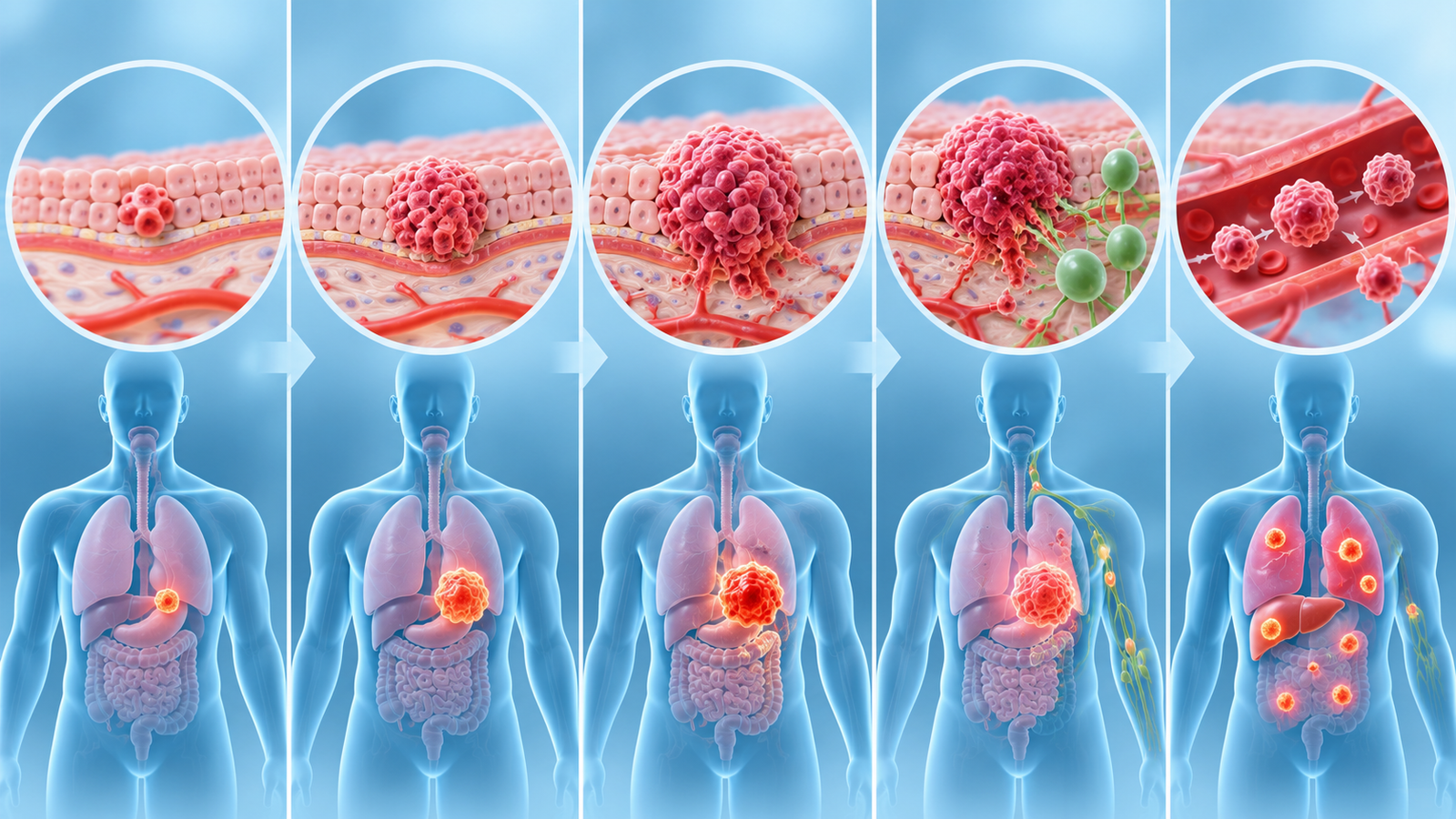
Stage 4 cancer, also called metastatic or advanced cancer, means the cancer has spread from where it started to distant organs, such as the liver, lungs, bones or brain. Doctors use stages to describe how far cancer has grown:

| Stage | What it means |
|---|---|
| Stage 0 | Abnormal cells only, not yet spread (in situ) |
| Stage 1 | Small tumour, confined to one area |
| Stage 2 | Larger tumour, may reach nearby lymph nodes |
| Stage 3 | Spread to nearby tissues and lymph nodes |
| Stage 4 | Spread to distant organs |
Stage 4 cancer is usually harder to cure, but it is not always a death sentence. Modern treatments such as targeted therapy and immunotherapy help many people with stage 4 cancer control the disease and live for years with good quality of life.
Can a human survive cancer?
Yes, many people survive cancer. In countries with strong screening and treatment, such as the US, roughly 7 in 10 people now live at least five years after diagnosis, up from about half in the 1970s. Many of them are fully cured.
Survival depends heavily on the type of cancer and the stage at diagnosis:
- High survival: early thyroid, prostate, breast and skin melanoma cancers often have five-year survival rates above 90%.
- Lower survival: pancreatic, liver, brain and oesophageal cancers are harder to treat, often because they are found late.
The biggest single factor you can influence is early detection. Cancer found at stage 1 is far more curable than cancer found at stage 4.
Can a cancer patient live long?
Yes. Many cancer survivors live a normal lifespan, especially when the cancer is caught early. Even people with advanced cancer can live for many years as treatment increasingly turns some cancers into long-term, manageable conditions, much like diabetes or heart disease.
How long someone lives depends on:
- The type and stage of cancer
- How well it responds to treatment
- Age and overall health
- Access to good care and follow-up check-ups
- Healthy habits after treatment, such as quitting tobacco and staying active
How can I fight cancer?
Fighting cancer means two things: lowering your risk before it starts, and giving yourself the best chance if you are diagnosed.
To lower your risk
- Quit all forms of tobacco; risk starts dropping soon after you stop.
- Eat more vegetables, fruits, whole grains and pulses; cut processed meat and fried food.
- Stay active for at least 30 minutes most days and keep a healthy weight.
- Limit or avoid alcohol.
- Get vaccinated against HPV and hepatitis B.
- Protect your skin from strong sun.
- Go for screening: Pap or HPV tests for cervical cancer, mammograms for breast cancer, and oral checks if you use tobacco.
If you are diagnosed
- Follow your treatment plan, which may include surgery, chemotherapy, radiation, targeted therapy or immunotherapy.
- Ask questions and consider a second opinion at a cancer centre.
- Eat well to keep your strength up; a dietitian can help during treatment.
- Look after your mind: talk to family, join a support group or see a counsellor.
- Beware of "miracle cures" and never stop proven treatment for unproven remedies.
Can cancer live after death?
No, not inside the body. Cancer cells need oxygen and nutrients from the blood, just like normal cells. Once the heart stops, they die along with the rest of the body's cells. Cancer also cannot spread from a person who has died to others through normal contact.
The only exception is in laboratories, where scientists can keep cancer cells alive by growing them in special dishes. The most famous example is HeLa cells, taken from Henrietta Lacks in 1951 and still used in medical research today.
Conclusion
Cancer is serious, but it is not hopeless. Knowing the 7 warning signs, avoiding tobacco, living a healthy lifestyle and going for regular screening can prevent many cancers or catch them early, when they are most curable. If you notice a symptom that lasts more than a few weeks, don't wait; see a doctor.
Disclaimer: This article is for general information only and is not medical advice. Please consult a doctor for diagnosis and treatment.