

18 Oct 2026 · @Unblend
Heart disease is the world's leading cause of death, yet most cases can be prevented with healthy habits and early check-ups. It often develops silently for years before the first symptom appears. Knowing the warning signs and risk factors can help you act early and protect your heart for life.
This guide explains what heart disease is, its symptoms, causes, treatment and the best ways to prevent it.
What is heart disease?
Heart disease is a group of conditions that affect how well your heart and its blood vessels work. Doctors also call it cardiovascular disease. The most common form happens when fatty deposits called plaque build up inside the arteries, narrowing them and reducing blood flow to the heart.
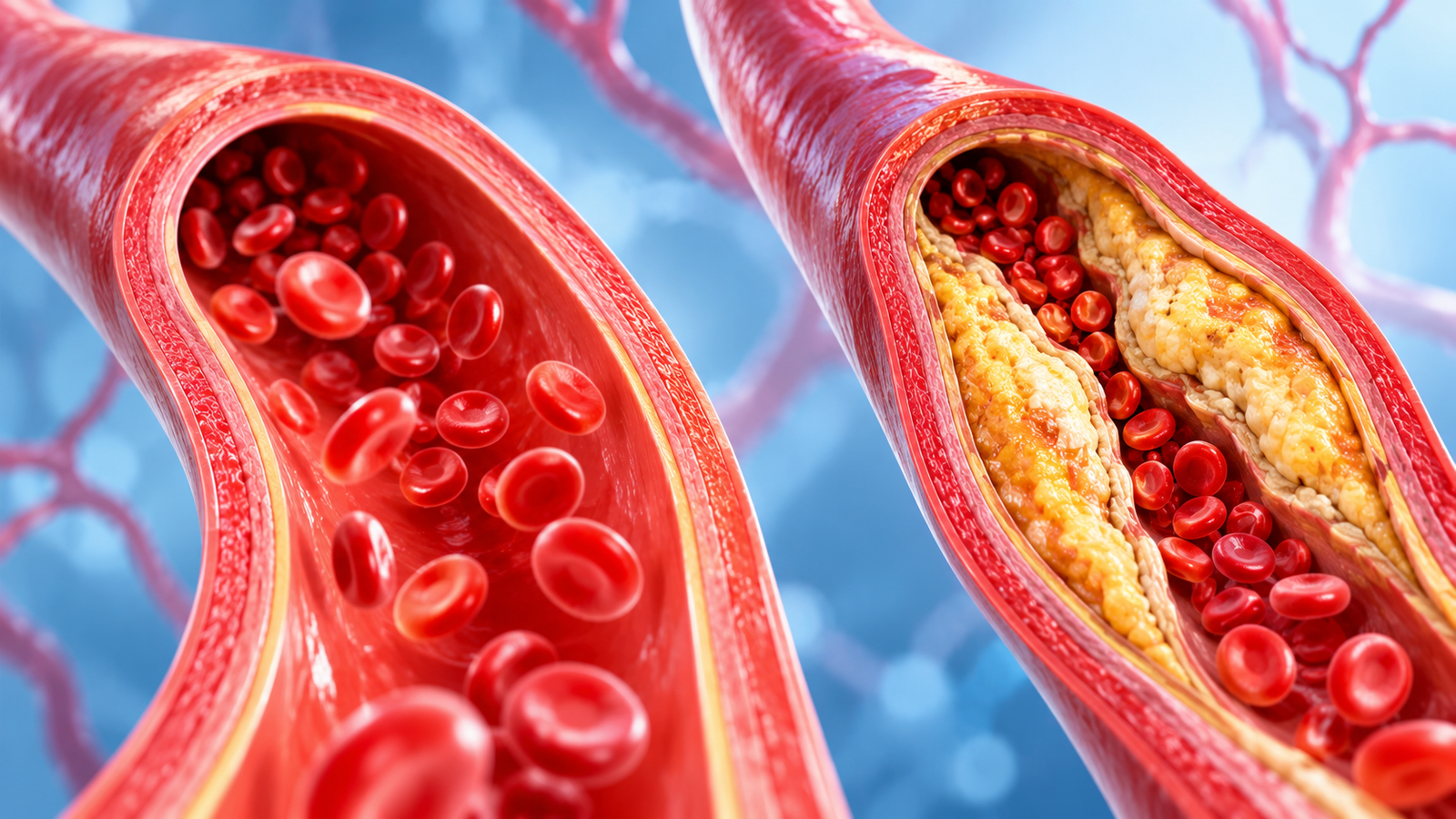
Main types of heart disease
| Type | What happens |
|---|---|
| Coronary artery disease (CAD) | Plaque narrows the arteries that feed the heart; the most common type and the main cause of heart attacks |
| Heart attack | Blood flow to part of the heart is suddenly blocked |
| Heart failure | The heart cannot pump blood as well as it should |
| Arrhythmia | The heart beats too fast, too slow or irregularly |
| Heart valve disease | One or more valves do not open or close properly |
| Congenital heart disease | Heart defects present from birth |
What are the early warning signs of heart disease?
Heart disease can cause no symptoms until it is advanced, which is why regular check-ups matter. When symptoms do appear, common ones include:
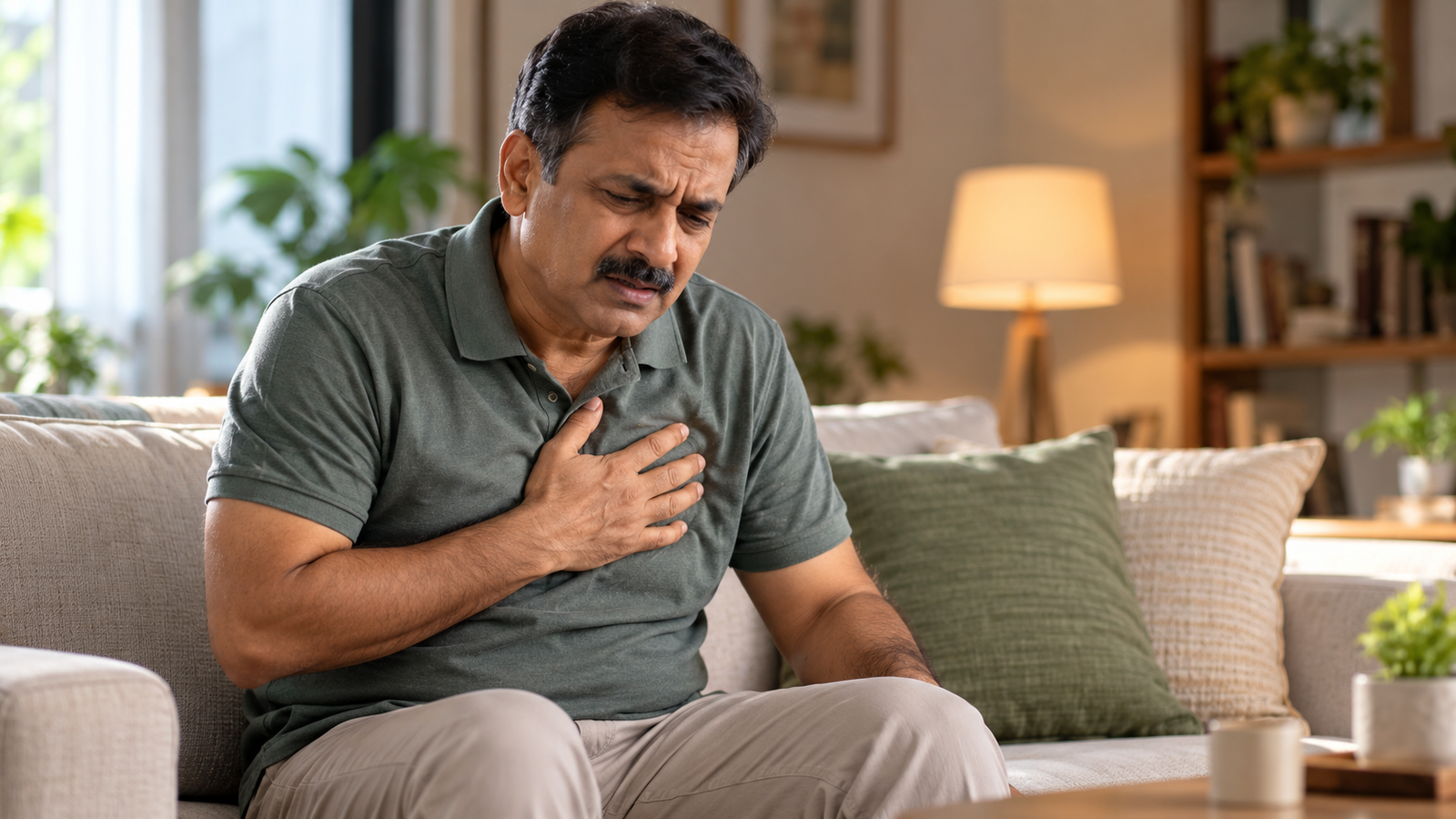
- Chest pain, tightness or pressure (angina), often during activity or stress
- Shortness of breath, even with light effort
- Tiredness that does not improve with rest
- Swelling in the feet, ankles or legs
- A racing, fluttering or irregular heartbeat
- Dizziness or fainting
Signs of a heart attack (call emergency services at once)
- Pain or pressure in the centre of the chest lasting more than a few minutes
- Pain spreading to the arm, neck, jaw, back or stomach
- Cold sweat, nausea or light-headedness
- Sudden shortness of breath
Women, older adults and people with diabetes may have milder or unusual symptoms, such as extreme fatigue, indigestion-like discomfort or back pain. Never ignore these signs. In India, dial 112 or 108 for an ambulance.
What causes heart disease?
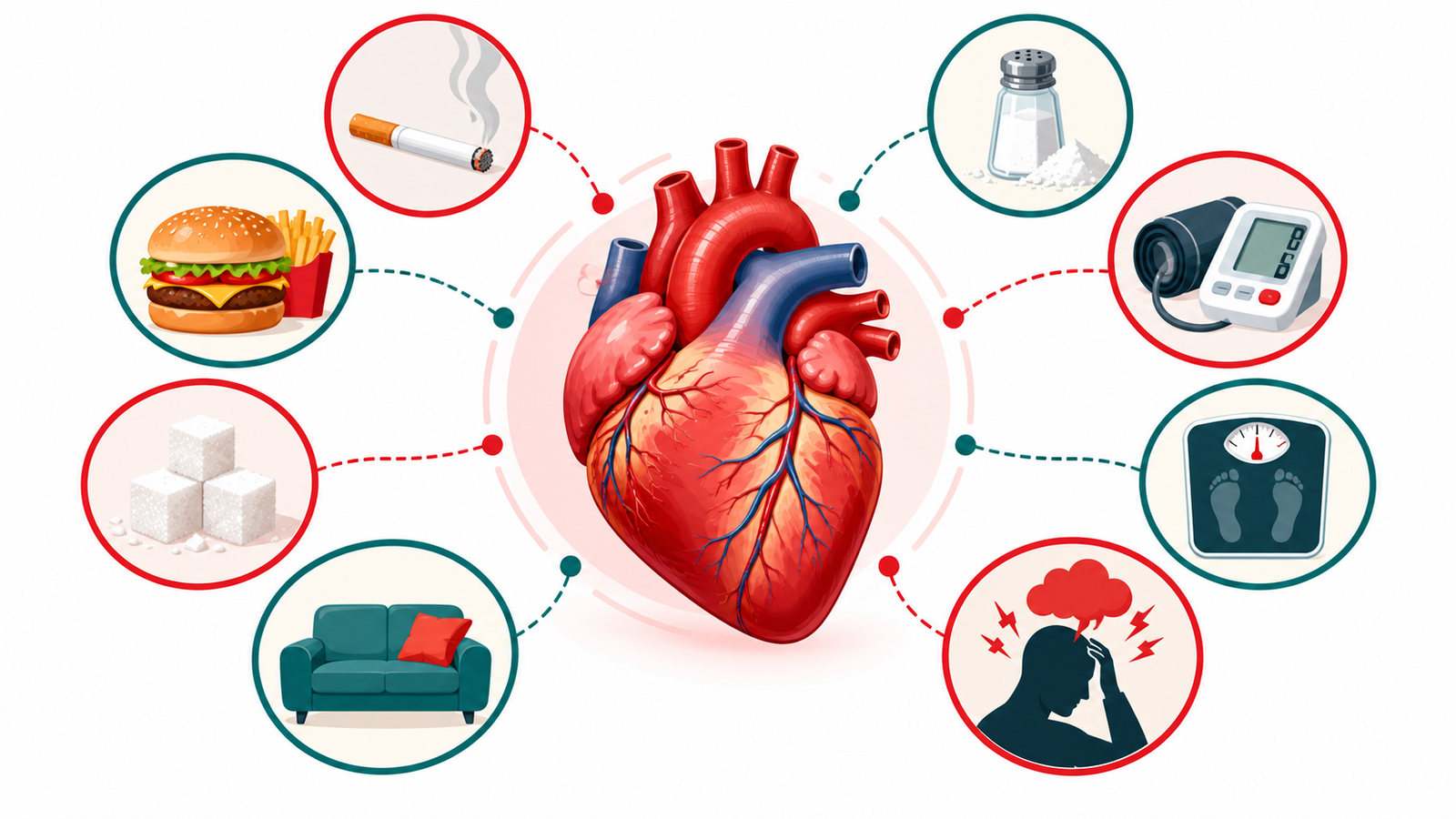
Most heart disease is caused by damage to the arteries over many years. A mix of lifestyle and medical risk factors speeds up that damage.

Risk factors you can control
- High blood pressure
- High cholesterol, especially high LDL ("bad") cholesterol
- Diabetes and high blood sugar
- Smoking and tobacco chewing
- Being overweight, especially around the waist
- Lack of physical activity
- Unhealthy diet high in salt, sugar, fried and processed foods
- Heavy alcohol use
- Long-term stress and poor sleep
Risk factors you cannot control
- Age: Risk rises after 45 for men and 55 for women.
- Family history: A parent or sibling with early heart disease raises your risk.
- Ethnicity: South Asians, including Indians, tend to develop heart disease earlier than many other groups.
The good news: the controllable factors account for most heart attacks, so small daily changes make a big difference.

How is heart disease diagnosed?
Doctors start with your symptoms, family history and a physical exam, then use tests such as:

- Blood tests: cholesterol, blood sugar and markers of heart damage
- ECG (electrocardiogram): records the heart's electrical activity
- Echocardiogram: an ultrasound that shows how the heart pumps
- Stress test (TMT): checks the heart while you walk on a treadmill
- Coronary angiography or CT scan: shows blockages in the arteries
How is heart disease treated?
Treatment depends on the type and severity, and usually combines three approaches:
- Lifestyle changes: healthy eating, regular exercise, quitting smoking and managing stress.
- Medicines: to lower blood pressure and cholesterol, prevent clots, and control heart rhythm or blood sugar.
- Procedures: angioplasty with a stent to open blocked arteries, bypass surgery, valve repair, or a pacemaker for rhythm problems.
Never start or stop heart medicines without your doctor's advice.
How can you prevent heart disease?
Most heart disease can be prevented with steady daily habits:
- Move every day: aim for at least 150 minutes of brisk walking, cycling or yoga a week.
- Eat smart: fill half your plate with vegetables and fruit; choose whole grains over refined flour.
- Cut salt and sugar: limit pickles, packaged snacks, sweets and sugary drinks.
- Quit tobacco: risk starts falling within a year of stopping.
- Keep a healthy weight: watch your waistline, not just the scale.
- Sleep 7 to 8 hours and manage stress with breathing, meditation or hobbies.
- Get regular check-ups: test blood pressure, cholesterol and sugar yearly after 30, or earlier with a family history.
Heart-healthy foods to add: oats, millets, leafy greens, lentils and beans, nuts like almonds and walnuts, flaxseeds, fatty fish, fresh fruits and cooking oils such as mustard or olive oil in moderation.
Foods to limit: deep-fried snacks, red and processed meat, vanaspati and trans fats, bakery items, excess ghee and sugary drinks.
Can heart disease be reversed?
Damage to the heart cannot always be undone, but the disease can often be slowed, stopped or partly improved. Studies show that strict lifestyle changes, combined with medicines, can reduce plaque growth and cut the risk of a heart attack. The earlier you start, the better the results.
Frequently asked questions
Can young people get heart disease? Yes. Heart attacks are rising among people in their 30s and 40s, often linked to smoking, stress, diabetes and inactivity.
Is chest pain always a heart problem? No, it can come from acid reflux or muscle strain. But never assume; get sudden or severe chest pain checked immediately.
What is a normal blood pressure? Around 120/80 mmHg or lower is considered healthy for most adults.
How often should I get my heart checked? Once a year after age 30, or sooner if you have risk factors or symptoms.
Conclusion
Heart disease is common, but it is not inevitable. Knowing the warning signs, controlling blood pressure, sugar and cholesterol, staying active and eating well can protect your heart for decades. Start with one small change today, and book a heart check-up if you have not had one this year.
Disclaimer: This article is for general information only and is not a substitute for medical advice. Consult a doctor for diagnosis and treatment.